


- About
- Programs
- View all programs
- Swiss Professional Degree (ES)


- Bachelor of Arts in International Hospitality Management

- Master of Arts in International Hospitality Business Management
- Master of Arts in International Hospitality Business Management: Luxury Brand Management

- Master of Science in International Hospitality Management

- Master of Arts in Executive Hospitality Management (online)

- Master of Business Administration - MBA Global

- Postgraduate Diploma to Master of Advanced Studies in Business

- Postgraduate Diploma in International Hotel, Resort, and Spa Management
- Campus life
- Career Services
- Admissions
- News & Events
- Alumni









What Is Hospitality Design? Elements, Careers, Trends
What is hospitality design? Explore the elements, principles, careers, and 2026 trends behind hotels, restaurants, and resorts.


Key Takeaways
- Hospitality design combines creative and operational thinking to create spaces that support both the guest experience and the day-to-day needs of the property.
- Core elements of hospitality design include spatial planning, materials, lighting, brand identity, service integration, and technology, with priorities changing across hotels, restaurants, resorts, spas, and mixed-use properties.
- Current hospitality design trends include biophilic and locally rooted design, integrated wellness, lower-impact design, less intrusive technology, and multisensory experiences.
- Careers span traditional design roles and operator-side positions, while SHMS combines hospitality management with design education through its BA and Design Management specialization.
Hospitality depends on how well a space supports the people using it. Service may define much of the guest experience, but design influences how easily guests settle in, move through a room, rest, work, and feel connected to the property.
That makes design and hospitality closely linked. Creating a strong hotel experience requires an understanding of both: how a space should look and feel, and how it needs to function for guests and staff every day.
What Is Hospitality Design?
Hospitality design is the planning and creation of environments in hotels, restaurants, resorts, spas, and other guest-focused businesses, with the goal of shaping how people experience the space while ensuring it functions efficiently for day-to-day operations.
That makes it broader than choosing furniture, colors, or decorative finishes. Hospitality design considers how guests move through a space, how lighting and acoustics affect the atmosphere, how different areas connect, and how staff use the same environment to deliver service.
A hotel room is a good example. The room needs to look appealing, but it also needs intuitive lighting, practical storage, comfortable circulation, durable materials, and layouts that housekeeping staff can work with efficiently. Every design decision affects both the guest and the operation behind the experience.
This is one of the main differences between hospitality design and residential interior design. A private home is designed around the needs of a relatively small number of people. A hotel or restaurant has to work for large numbers of different guests while also supporting employees who use the space every day.
Hospitality design therefore brings together creative and operational thinking. Interior designers and architects may shape the physical environment, while hotel managers and other hospitality professionals contribute an understanding of how the space needs to function once guests begin using it.
The Key Elements of Hospitality Design


Hospitality design is built from several interconnected elements that must function individually and as part of a coherent whole:
Spatial planning and guest flow
Spatial planning determines how guests move from arrival through check-in to rooms and shared amenities. It is the element that most clearly distinguishes hospitality design from residential interior design, because the flows involved are fundamentally different in scale and complexity.
Hotel lobbies are positioned so reception is visible from the entrance; F&B entrances are set slightly offset to invite exploration rather than directing guests straight through. Bad spatial planning creates bottlenecks, wasted service walks and guest confusion. Every spatial decision has a direct business cost, which is why this element is resolved before any aesthetic decisions are made.
Interior design and material selection
Hospitality interior design must balance aesthetic ambition with commercial durability. Finishes, fabrics and furniture in a hotel room see thousands of uses per year, which rules out many residential-grade materials regardless of how they look.
The practical framework is form, function and flow: high-traffic corridors use natural stone or directional-patterned carpet because they perform across years of heavy use; guest rooms use warmer, softer materials because the experience requires it. For a deeper treatment of how these choices play out at the property level, the SHMS guide to hotel interior design principles and trends covers the full framework.
Food and beverage (F&B) space design
F&B design covers restaurants, bars, cafes and lounges: spaces that operate on faster rhythms than guest rooms and require distinct design vocabularies. Fine-dining rooms use lower ceilings and softer acoustic finishes to create intimacy and slow the pace; high-volume all-day dining uses taller ceilings and directional lighting to signal energy and turnover.
The operational integration point is direct: kitchen adjacencies, service paths and sight lines all determine whether an F&B concept can actually be executed at the speed the business model requires. Design and operations here are inseparable.
Lighting design


Lighting sets mood, guides attention, signals time of day and defines how a space feels at 3 p.m. versus 10 p.m. It does far more than illuminate. Modern hotel lobbies use layered lighting (ambient, task, accent, decorative) with programmable circadian systems that shift color temperature throughout the day, warming in the evening and brightening in the morning to match natural rhythms. The principle is reliable across every category: a beautifully designed space with poor lighting will underperform, while a modest space with excellent lighting can feel far more considered than it is.
Brand identity and storytelling
Hospitality design translates a brand's identity into physical experience. Every material, color, artwork, and detail should reinforce what the property is trying to be. The Ritz London expresses its 1906 heritage through classical interiors, traditional service environments and period-appropriate artwork throughout every room category.
The Baccarat Hotel New York takes a different approach, translating its brand's core material (crystal) into architectural language through mirror detailing, crystal accents and deep velvet upholstery.
Service design and operational integration
Service design is the element most often missed by pure interior designers and most central to how hospitality management views design. The physical space must support the service model, not just look good hosting it. Back-of-house design (staff corridors, service kitchens, storage placement) determines whether a hotel can deliver its guest promises efficiently, and often accounts for as much floor area as guest-facing spaces.
This is among the areas in which hospitality management education adds a dimension that design-only training does not. Understanding how a hotel functions as a complete operational system is what allows design decisions to genuinely support guest experience in hospitality rather than simply framing it visually.
Technology and experiential integration
Technology in hospitality design is increasingly invisible. Smart room controls, contactless check-in, wireless charging built into surfaces, and lighting systems that respond to occupancy are integrated into the physical space rather than placed on top of it.
Guest room mirrors double as touchscreens; speaker systems are built into architectural details; lobby self-service kiosks are integrated into reception desks rather than placed as separate machines. The best hospitality technology is the kind the guest does not have to think about. The design job has shifted from adding tech features to hiding them so completely that the experience feels effortless.
Hospitality Design Across Property Types


Hospitality design changes depending on the type of property, how long guests stay, and what they need from the space. A hotel room, restaurant, resort, and spa each create different design challenges, even though all are built around the same goal of supporting the guest experience and daily operations.
Hotel design
Hotel design has to bring many different spaces together under one property identity. Guest rooms need privacy and comfort, while public areas have to support movement, service, and interaction. Restaurants, event spaces, wellness facilities, and back-of-house areas each have their own operational requirements.
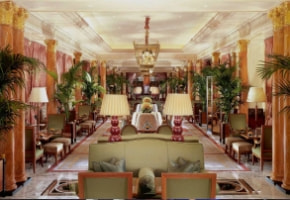
The hotel lobby design is particularly important because it often forms the guest's first physical impression of the hotel while also handling practical functions such as arrival, reception, waiting, and circulation.
Restaurant and bar design
Restaurants and bars have a different rhythm. Guests usually spend a few hours rather than several days in the space, so the concept needs to become clear quickly through the layout, lighting, materials, acoustics, and overall atmosphere.
Design also has a direct effect on how the business operates. Seating layouts influence capacity, while the placement of kitchens, service stations, and circulation routes affects how efficiently staff can work. A fine-dining restaurant may prioritize privacy and carefully controlled lighting, while a high-volume venue needs a layout that supports faster service and greater guest turnover.
Resort and destination property design


Resorts have to support a much longer and more varied guest experience. Accommodation is only one part of the property, alongside pools, restaurants, wellness facilities, outdoor spaces, and recreational areas.
The design therefore has to create variety while still making the resort feel connected as a whole. Landscape and local surroundings often play a major role, with architecture, materials, and interior details used to strengthen the relationship between the property and its destination.
Spa and wellness facility design
Spa and wellness design places particular emphasis on privacy, comfort, acoustics, lighting, temperature, and the way guests move between different areas.
Treatment rooms, relaxation spaces, pools, saunas, and other facilities also introduce technical considerations that are less prominent in many other hospitality settings. Water systems, ventilation, sound control, and staff circulation all have to work alongside the atmosphere the spa is intended to create.
Mixed-use and branded residence design
Mixed-use developments combine hospitality with other functions such as residences, restaurants, retail, or offices. Branded residences add another layer by extending the identity and service standards of a hotel brand into privately owned homes.
The design challenge is maintaining a recognizable overall identity without making every part of the development feel identical. Hotel guests, residents, diners, and retail visitors use the property differently, so each area needs to respond to its own audience and operational requirements while still feeling connected to the wider development.
Trends Shaping Hospitality Design Today
Hospitality design in 2026 is moving toward spaces that feel more connected to their surroundings and create a stronger sense of identity. Six directions are particularly visible across recent hospitality research and projects:
Biophilic and nature-integrated design
Nature is becoming more deeply integrated into hospitality design rather than being treated as landscaping around the building. Natural materials, greenery, daylight, outdoor connections and design that responds to the surrounding ecology are increasingly being considered as part of the guest experience itself.


Interior design forecast identifies biophilic elements, natural materials, daylight, greenery and airflow as features being incorporated directly into hospitality interiors. The result is a closer relationship between the building, the landscape and the way guests experience both.
Locally inspired and story-driven interiors
Hotels are also moving away from design that could be transferred unchanged from one destination to another. Local craft, art, materials and cultural references are increasingly being used to give individual properties a clearer connection to where they are.
For hospitality designers, this means understanding the destination becomes part of understanding the brief. Local references work best when they influence the design itself rather than appearing as decorative additions once the concept has already been developed.
Wellness-integrated design
Wellness is becoming less confined to the hotel spa or fitness center. It is increasingly influencing the design of guestrooms, public areas and the wider guest experience.
Based on current trends, wellness is being embedded in how guests sleep, move and use hotel spaces, rather than restricted to designated wellness areas. That broadens the designer's role. A room intended to support wellbeing may require attention to daylight, acoustics and sleep conditions long before wellness amenities are considered.
Sustainable and low-impact design
Environmental performance is also influencing decisions about materials, energy, water and the long-term operation of hospitality properties. Energy and water efficiency, waste reduction, sustainable purchasing, indoor air quality and access to daylight are among the areas addressed through greener hotel design and operation.
Sustainable hospitality design therefore involves more than selecting environmentally preferable finishes. Decisions about what is retained, how efficiently the property operates and how resources are used throughout its life all form part of the design problem.
Integrated and less intrusive technology
Hotel technology is becoming more connected to the room itself. Instead of asking guests to manage several separate devices and controls, newer systems bring functions such as lighting, temperature, access and occupancy together.
The design priority is therefore becoming less about displaying technology and more about making it easy to use. Successful integration should reduce the amount of attention a guest has to give the system.
Multisensory and emotionally focused design
Hospitality designers are also paying greater attention to what guests hear, touch and smell, rather than treating the visual appearance of a space as the entire experience.
The Gensler Research Institute examined how sound, scent, texture, lighting and other sensory cues work together in hospitality environments. Its research argues for treating multisensory design as part of the design process rather than adding individual sensory effects later.
Gensler expanded on that research, explaining how lighting, acoustics, scent, materiality and spatial transitions can be coordinated to give a hotel a more coherent identity and make the experience more memorable. Importantly, the goal is not to add as much sensory stimulation as possible. The different elements need to support one another rather than compete for the guest's attention.
Careers in Hospitality Design


Hospitality design involves professionals who draw plans or develop interiors as well as people who can translate design concepts into spaces that work operationally, meet brand standards, stay within budget, and deliver the intended guest experience. That creates career opportunities on both the design side and the hotel operator and ownership side.
Roles and skills required
The primary roles on the design side are:
- Hospitality interior designer
- Hospitality-specialized architect
- F&B concept designer
- Spa designer
- Lighting designer
- Project manager
On the operator and ownership side, relevant roles include:
- Hotel design and development manager
- Design project manager
- Brand and design standards manager
- Hotel development manager
- FF&E and procurement manager
- Asset manager
These operator-side roles are particularly relevant to hospitality management graduates because design decisions have to work within the realities of hotel operations. Understanding guest experience, service delivery, budgets, brand standards, and how different hotel departments use a space provides an advantage when managing design from the client or operator side.
Across these careers, useful skills include space planning and materials knowledge, operational understanding, commercial judgment, brand thinking, project management, and communication with designers, owners, contractors, and hotel teams.
Education paths
Two paths dominate the field. The design-forward path runs through an interior design, architecture, or industrial design degree and typically leads to roles in design firms that specialize in hospitality. The hospitality-management-forward path with design specialization leads to operator-side roles and to senior management positions that direct design decisions from within hotel groups and ownership organizations.
The Bachelor of Arts in International Hospitality Management at SHMS represents the second route: a bachelor degree in management with a specialization in design which allows for broader career opportunities from being a designer in a design agency, to managing design for a hospitality enterprise.
Hospitality Design at the Intersection of Hospitality Management
Strong hospitality design depends on understanding both the guest experience and the hotel operation behind it. Design choices affect how a space looks, but also how guests use it, how staff work within it, and how efficiently the property runs. Swiss Hotel Management School combines these areas in its hospitality education.
The Bachelor of Arts in International Hospitality Management combines hotel operations with hospitality design, with a Design Management specialization for students who want deeper training. Graduates can pursue roles with specialist design agencies or work on the operator side, managing design projects for hotel groups and other hospitality enterprises.
Frequently Asked Questions
What is the difference between hospitality design and interior design?
Interior design focuses on the function and appearance of interior spaces. Hospitality design applies those principles to hotels, restaurants, and resorts, where spaces must also support service, maintenance, guest turnover, and commercial goals.
What does a hospitality designer do day to day?
Hospitality designers may work on concepts, space planning, materials, technical coordination, client presentations, and construction reviews. The SHMS guide on how to become a hotel designer covers the career in more detail.
Do you need a design degree to work in hospitality design?
It depends on the role. Interior designers and architects usually need formal design training, while hospitality graduates may enter through design management, hotel development, brand standards, or project roles.
What are the top hospitality design trends in 2026?
Key trends include biophilic design, locally rooted interiors, wellness, lower-impact design, integrated technology, and multisensory experiences.
Which hotel designers are influential today?
Names include Jacques Garcia, Tony Chi, Yabu Pushelberg, Bill Bensley, Philippe Starck, Adam D. Tihany, and AvroKO. The SHMS overview of the world's most influential hotel designers looks at their work in more detail.