


- About
- Programs
- View all programs
- Professional Bachelor in Hospitality Management


- Bachelor of Arts in International Hospitality Management

- Master of Arts in International Hospitality Business Management
- Master of Arts in International Hospitality Business Management: Luxury Brand Management

- Master of Science in International Hospitality Management

- Master of Arts in Executive Hospitality Management (online)

- Master of Business Administration - MBA Global

- Postgraduate Diploma to Master of Advanced Studies in Business

- Postgraduate Diploma in International Hotel, Resort, and Spa Management

- Campus life
- Career Services
- Admissions
- News & Events
- Alumni











Hotel Interior Design: Core Principles and Future Trends
Learn how hotel interior design shapes every stay. Discover design principles, 2026 trends, and specific strategies for lobbies, rooms, and bars.


Key Takeaways
- Guests form immediate impressions of a hotel, which means the psychology of hospitality spaces plays a direct role in how safe, comfortable, and welcome they feel.
- Strong hotel interior design relies on balancing aesthetics with function so that spaces can support both guest experience and operational efficiency.
- Current trends show a shift toward locally inspired design, subtle technology integration, more expressive interiors, sensory-focused environments, and sustainability without compromising quality.
- Combining hospitality knowledge with design skills allows professionals to create spaces that not only look right but also work seamlessly for both guests and staff.
A hotel's quality is often judged by familiar markers such as thread counts or restaurant star ratings, yet hotel interior design carries equal weight in how a property is perceived and valued. Properties with professionally designed interiors typically achieve five to fifteen percent higher sale prices on average, with bespoke specifications commanding even greater premiums in certain markets.
For a hotel to stand out, its design needs to create a sense of distinction while still appealing to a broad group of discerning guests. That balance is what separates spaces that feel memorable from those that feel generic.
Achieving it requires an understanding of the core principles of hotel interior design, along with how spatial planning, material selection, and guest experience considerations come together to create a cohesive environment that performs both aesthetically and commercially.
The Psychology of Hospitality Spaces


Guests form lasting impressions of a hotel within the first few seconds of entering. This is not a metaphor. Research in environmental and social psychology shows that people assess safety, quality, and social fit almost immediately when they step into a new space. For hotels, that first encounter carries weight. The entrance sequence becomes one of the most direct ways a property communicates its identity.
This is the way hotel interior design moves beyond aesthetics and into behavior. Design choices influence how guests feel and how they move through the space. These responses are often automatic, influenced by cues the guest may not consciously notice.
Color, for example, plays a functional role in guiding those responses. Cooler tones such as blues, greens, and soft greys tend to calm the body and are suited to guest rooms, spa corridors, and quieter lounges where rest is the goal. Warmer tones like ochres, terracottas, and burnt oranges support energy and interaction, making them effective in lobbies, bars, and dining spaces where engagement matters.
The same logic extends to sensory branding. Materials, sound, and lighting all contribute to how a space is experienced. A textured reception desk can feel more approachable than a cold, polished surface. A carpeted corridor absorbs sound and creates a sense of quiet, while a hard floor in a lobby supports movement and activity. Lighting choices influence perception as well, with softer, warmer light encouraging comfort and cooler, brighter light supporting focus in more active areas. Each of these elements influences how welcome and at ease a guest feels.
Core Principles of Hotel Interior Design
Interior design for hotels rests on five principles that apply regardless of brand positioning, price point, or geographic location:

Start Your Journey in the World of Hospitality
Turn your passion into a rewarding international career
Brand and audience alignment
Every design decision should be legible to the guest the property is targeting. A business hotel catering to consultants and executives communicates differently through its design language than a lifestyle boutique targeting creative professionals or a resort destination serving families. Design that fails to match its audience creates a dissonance that guests feel, even when they cannot articulate it.
Function and form as equal partners
Beautiful spaces that are operationally inefficient create problems for both staff and guests. A lobby seating arrangement that obstructs the path to the lift, a bathroom layout that requires guests to step over luggage, a restaurant floor plan that forces servers to cross each other's paths—these are design failures regardless of how they photograph.
Local context and storytelling
Properties that feel specific to their location command more loyalty and higher rates than those that could have been placed anywhere. Using regional materials, commissioning local artists, referencing the city's history or landscape in the design narrative, gives guests a reason to choose this property over a chain alternative with a predictable interior.
Strategic lighting and ambiance
Lighting is the single most cost-effective design lever available to hotel operators. The same physical space reads completely differently under warm, low-level evening lighting versus the flat overhead light of a standard office environment. Layered lighting systems give teams the flexibility to adapt spaces across the day without physical reconfiguration.
Durability and maintenance
Commercial-grade performance is non-negotiable in hotel interiors. A material or finish that cannot withstand the volume of a hotel's daily contact points will degrade visibly within months, undermining the very quality signal it was chosen to communicate. The best hotel design balances visual richness with the practical reality of constant use.
Hotel Interior Design by Space
Each area of a hotel serves a different function in the guest experience and requires a distinct design approach:
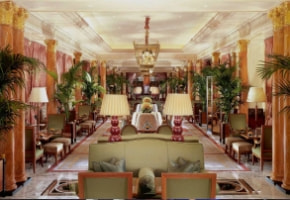
Lobby design
The lobby is the first physical touchpoint and the space guests pass through most frequently. Hotel lobby design must therefore accomplish multiple objectives simultaneously: create a strong first impression, communicate the brand, support efficient guest flow to the front desk and lifts, and provide seating options for guests who want to linger.


Layout decisions are as important as aesthetic choices. Clear sightlines from the entrance to the reception desk, a generously proportioned decompression zone at the entrance, and seating zones that distinguish between social and quiet areas all contribute to a lobby that feels welcoming.
Guest room design
The guest room is where design quality is most directly felt, because guests spend private time there and notice details they would overlook in public spaces. Comfort, privacy, and functionality are the non-negotiable starting points.
At Swiss Hotel Management School (SHMS), students in the Bachelor of Arts in International Hospitality Management encounter these ideas early through the Rooms Division Management course. In the second semester, the focus is on building a clear understanding of how guest expectations translate into design decisions, along with how operational needs influence the way rooms are planned and managed.
Restaurant and bar areas
Food and beverage spaces need to support the guest experience while simultaneously creating a space that enables operations to run smoothly. The design should align with the concept. A relaxed all-day dining room calls for a different seating layout, acoustic approach, and even lighting level than a formal fine-dining restaurant or a late-night cocktail bar. Seating must work for both smaller parties and larger groups, while the layout should allow staff to move efficiently without interrupting the guest experience.
At Swiss Hotel Management School, students in the Bachelor of Arts in International Hospitality Management engage with these through the first-semester focus on Food and Beverage Management.
Bathrooms and wellness spaces
Guests use bathrooms as a direct proxy for overall hygiene and quality standards. The materials, lighting, and spatial organization of a hotel bathroom should communicate cleanliness and care. Natural stone, brushed metal fixtures, and warm-toned lighting around vanity mirrors have become near-universal signals of quality in mid-to-upper market properties for good reason, since they register as premium while also being durable and easy to maintain.


Space optimization matters as much as material selection. A bathroom that forces guests into awkward positions when using the shower, or that provides no horizontal surface for toiletries, fails functionally regardless of its visual quality. Wellness spaces extend these principles with the additional requirement that they support genuine physical relaxation, which demands precise control over temperature, humidity, lighting levels, and acoustic environment.
Common areas and corridors
Corridors are the most frequently overlooked design opportunity in a hotel. They are also the spaces guests experience most often. Every trip to and from the room passes through them, usually multiple times a day.
A well-designed corridor maintains the brand's design language, uses durable materials that age well under heavy foot traffic, and provides an intuitive wayfinding through consistent lighting, floor pattern, or signage placement.
Common areas, like lifts, stairwells, business centers, and fitness facilities, require the same consistency. A guest who moves from an exquisitely designed lobby into a generic, poorly lit corridor has experienced a design discontinuity that undermines confidence in the property's overall quality and attention to detail.
Hotel Interior Design Trends in 2026
The most significant trends in interior design for hotels in 2026 reflect a broader repositioning of what guests consider valuable in a stay:
Hyper-localism
Hotels are moving away from "one-size-fits-all" interiors. Guests now look for spaces that feel connected to the location they're visiting. This can mean using locally sourced materials, showcasing regional art, or reflecting the city's culture in the design. A hotel in Paris should feel different from one in Tokyo, not just in name, but in how the space looks and feels.
AI-integrated spaces
Technology is becoming a bigger part of hotel spaces, but the goal is for guests to barely notice it. Rooms may adjust lighting or temperature automatically based on preferences, and digital check-in points are designed to blend into the space instead of standing out. The focus is on convenience without making the room feel overly technical.
Maximalist storytelling


For years, many hotels leaned toward neutral, minimal interiors. Now, there is a shift toward bolder design. This includes bold color, layered pattern, commissioned textile work, and sculptural furniture that gives the space character. The goal is to create something memorable, something guests notice and remember after they leave.
Sensory-driven spaces
Hotels are thinking beyond what guests see. Sound, scent, and touch are becoming part of the design process. Soft background music in a lobby, a consistent signature scent, or materials that feel pleasant to the touch all contribute to how comfortable a space feels. These details influence the experience even if guests don't consciously think about them.
Sustainable luxury
Sustainable design is no longer seen as a compromise. Hotels are using reclaimed hardwoods, recycled metal elements, low-VOC (Volatile Organic Compounds) finishes, locally sourced stone, and furniture built to last rather than be replaced. Guests increasingly value these choices, and properties are finding ways to meet those expectations without lowering design quality.
Hotel Interior Design as a Career Path in Hospitality
For those who want to work at the intersection of design creativity and hospitality operations, the career opportunities are substantial. Hotel interior design roles range from in-house design management positions within large hospitality groups to consultancy and project management work with independent practices. Graduates with design expertise who also understand hospitality operations are particularly sought after because they can communicate with both architects and general managers on what looks right and what works.


At SHMS, this connection is built into the Bachelor of Arts in International Hospitality Management through a Design Management specialization. It is one of the few hospitality-focused programs that formally integrates design with business and operations. Students develop practical skills in areas such as digital visualization and spatial communication, while also building a strong understanding of financial and operational aspects of running a hotel. The program includes two paid international internships, allowing students to apply what they learn in real-world settings.
This blend of perspectives becomes especially valuable in design-focused careers. As SHMS alumna Pascale Müller explains:
The combination of hospitality and design has given me so much more than a design degree on its own could ever do. Technical skills can be learned as you go, but soft skills are what really set you apart from other professionals in the field.
Her point highlights a key advantage of hospitality-based design education. Designing a space is not only about aesthetics or technical skill. It involves understanding how people experience that space, how they move through it, and what makes them feel comfortable and well cared for. A strong focus on guest experience, which is central to hospitality education, gives designers an added perspective that shapes better decisions and more effective outcomes.
The Final Touch: A Seamless Hospitality Vision
Hotels that treat design as part of how the business performs tend to create stronger, more consistent guest experiences. When design is approached with intent, it supports how a property operates, how it is perceived, and how it stays relevant over time. The principles of design, psychological grounding, functional discipline, spatial specificity, and brand coherence are the foundations on which all of it rests.
The famous hotel designers who define the field share one characteristic: they understand hospitality as deeply as they understand design. The spaces of tomorrow, where technology, sustainability, and human emotion must coexist without contradiction, will be shaped by professionals who can think across all three dimensions at once.
At SHMS the Bachelor of Arts in International Hospitality Management prepares students to move into this area of the industry. Through its Design Management specialization, students develop both the creative and operational perspectives needed to work within hotel interior design at a professional level. Preparation shows in how a space works for the guest, where every square meter is planned with care and contributes to how they feel throughout their stay.
Frequently Asked Questions
What are the three F's of interior design?
The three F's are form, function, and flow. Together, they describe a space that looks well put together, works in a practical way, and allows people to move through it naturally, with each element supporting the others.
Who are the most famous hotel interior designers?
Among the most recognized figures in hotel interior design are Jacques Garcia, known for his work on Hotel Costes in Paris; Tony Chi, whose portfolio spans luxury properties across Asia and the Americas; and Yabu Pushelberg, whose projects include Four Seasons and W Hotels locations globally.
How to be a successful hospitality designer?
Success in hospitality design comes from combining design training with a clear understanding of how hotels operate day to day. This means studying hospitality management with a design focus, gaining hands-on experience in hotel environments, and learning to make design decisions that support service flow, guest comfort, and long-term maintenance.
What are common hotel design mistakes?
The most frequent errors are choosing materials that cannot withstand commercial use, neglecting acoustic performance in high-volume spaces, failing to maintain design consistency across all areas of the property, and designing for photography rather than the lived experience of a guest staying for multiple nights.
Are you wondering where to start your dream hospitality career? Look no further than a bachelor’s degree at Swiss Hotel Management School.