


- About
- Programs
- View all programs
- Swiss Professional Degree (ES)


- Bachelor of Arts in International Hospitality Management

- Master of Arts in International Hospitality Business Management
- Master of Arts in International Hospitality Business Management: Luxury Brand Management

- Master of Science in International Hospitality Management

- Master of Arts in Executive Hospitality Management (online)

- Postgraduate Diploma in International Hotel, Resort, and Spa Management

- Campus life
- Career Services
- Admissions
- News & Events
- Alumni









The Art of Hotel Lobby Design: Layout, Elements, and Trends
Discover why hotel lobby design matters. Explore essential layout principles, lighting, material selection, and creative ideas for modern hospitality spaces.


Key Takeaways
- Hotel lobby design shapes the first impression of a property and influences how guests perceive the quality of the overall stay.
- Functional lobby layouts rely on a welcoming lounge at the entrance, clear wayfinding to help guests navigate the space, and flexible social areas that support various guest activities.
- An impactful lobby interior brings together strategic lighting, durable materials suited for high traffic, and distinctive furniture or art that defines the character of the space.
Hotel guests step through the entrance carrying luggage, expectations, and sometimes fatigue from travel. The lobby is the first environment they encounter and often the last space they pass through when checking out. In that short interaction with the space, guests begin forming impressions: how the hotel organizes movement, how staff interacts with arrivals, how comfortable the atmosphere feels, and how clearly the property communicates its identity.
Because of this, the lobby operates as more than a transitional area between the street and the guest rooms. It acts as an introduction to the hotel itself. The spatial layout, materials, lighting, seating arrangements, and reception placement all influence how guests interpret the experience they are about to have.
For that reason, hotel lobby design holds a special role in hospitality planning. The design decisions in this space establish expectations for service, comfort, the property's character, and the overall quality of the guest experience.
Why Hotel Lobby Design Matters
Besides setting that initial impression, the lobby also influences how guests actually use a hotel's public spaces. When a lobby is designed as a place where people feel comfortable sitting, meeting, or working, it naturally becomes an active part of the property rather than simply a passage between the entrance and the elevators. In those situations, nearby cafés, bars, and lounge areas often receive more traffic because guests remain in the space longer and interact more with the hotel's amenities.
Evidence from other travel environments shows how strongly spatial design can affect behavior. Airports frequently analyze passenger movement patterns to understand how layout influences activity around gates and retail areas. In one example, redesigning the gate layout based on passenger flow led to a 22% increase in ancillary sales, a 7-minute reduction in average boarding time, and an 18-point improvement in gate-experience satisfaction scores. While hotel lobbies operate differently from airport terminals, the example demonstrates how carefully planned spaces can influence both operational efficiency and guest engagement.


Start Your Journey in the World of Hospitality
Turn your passion into a rewarding international career
Lobby design, therefore, becomes part of the broader strategy behind how a hotel functions. Decisions about seating arrangements, circulation paths, reception visibility, and the relationship between the lobby and food-and-beverage outlets all shape how the space supports guest activity throughout the day. When these elements are planned deliberately, the lobby can contribute to both operational flow and the overall value guests perceive during their stay.
This intersection between design and hospitality operations is a central focus of the Bachelor of Arts in International Hospitality Management at Swiss Hotel Management School (SHMS). Through the program's hospitality and design specialization, students explore how architectural planning, interior design decisions, and guest behavior connect within hotel environments. As Dominic Szambowski, former Dean at SHMS, explained:
Through this program, we need to prepare our students to be ambassadors who can both understand and communicate the important links between the technical elements of architecture and design and the concept of hospitality and wellbeing.
The program also maintains close industry connections. SHMS collaborates with the London-based design agency Matter of Form, allowing students to learn directly from professionals working in hospitality design. Guest lectures and industry input help bridge the gap between classroom theory and real-world design practice.
Students in the program learn to interpret design as both a visual expression and as a functional system. By understanding the creative and practical dimensions of design, graduates can better communicate with architects, designers, and hotel operators and contribute to spaces that feel welcoming to guests.
Essential Principles of Functional Lobby Layouts
Designing a hotel lobby requires careful planning of how guests move through the space and where they naturally pause upon arrival. A lobby often accommodates several types of activity at the same time, so the layout must allow those activities to take place without disrupting the overall flow of the space.


For this reason, designers approach the lobby as a set of interconnected zones, each supporting a particular type of guest use. Seating areas, circulation paths, reception spaces, and service points all work together to create an environment that feels intuitive to navigate. The following layout principles appear repeatedly in successful hotel projects:
The social hub
Many modern hotels organize the lobby around what designers call a social hub. Instead of creating a large empty space with a reception desk on one side, the layout places seating and activity areas near the center of the floor plan. Around this central area, the lobby may include lounge seating, café tables, bar counters, or smaller quiet corners where guests can work or talk privately.
The idea is to give different types of guests a place that suits their needs. A solo traveler with a laptop may look for a comfortable chair near a power outlet, while a group of friends may prefer a larger seating arrangement where conversation feels natural. Couples might choose a quieter corner. When these options exist within the same space, guests can move easily between them without feeling that they are intruding on another activity.
Wayfinding
Another important principle is wayfinding, a design term that refers to how easily people can understand where they are and where they should go next. In a well-designed lobby, guests should be able to orient themselves almost immediately after entering. They should see where the reception desk is located, where the lifts are, where the main circulation paths lead, and how the lobby connects to other areas of the hotel, such as restaurants or meeting rooms.
Good wayfinding relies on visual signals built into the architecture rather than on signs alone. Designers might guide guests toward the reception area by changing the floor material, for example, by transitioning from stone flooring near the entrance to a different surface that leads toward the check-in desk. Lighting can also guide movement. A cluster of hanging lights might draw attention to the bar area, while brighter lighting above the reception desk naturally signals where check-in takes place.
Furniture placement also plays a role. Larger seating arrangements may subtly direct foot traffic along a particular path, helping guests move toward elevators or corridors without needing instructions. When these cues work well together, guests instinctively understand how to navigate the space. When they do not, visitors may pause in the middle of the lobby, look around uncertainly, or walk in the wrong direction before correcting themselves. These moments of hesitation often signal that the spatial cues are unclear.
The decompression zone
The decompression zone refers to the entrance area immediately inside the hotel doors. Designers often keep this space relatively open so that guests arriving from outside can briefly adjust before interacting with the rest of the lobby.
An open entrance area allows guests to slow down, observe the space, and decide where to go next without feeling rushed or crowded. For this reason, designers typically avoid placing heavy furniture, decorative displays, or large signage directly at the entrance.
Instead, the decompression zone acts as a visual pause between the outside environment and the activity deeper inside the lobby. Once guests cross this threshold, they can easily see the reception desk, seating areas, and circulation paths. This brief moment of spatial clarity helps reduce confusion and creates a calmer arrival experience for hotel guests.
Essential Elements of an Impactful Lobby Interior
Once the overall layout of a lobby is established, interior design decisions determine how the space actually feels and functions throughout the day. Lighting, materials, furniture, and acoustics all influence how comfortable the environment becomes for guests and how effectively the space supports both movement and social activity. These elements must work together because a lobby experiences continuous use from morning check-outs to evening arrivals and informal gatherings.
Strategic lighting and circadian ambiance
Lighting influences how a lobby operates at different moments of the day. In the morning, brighter and clearer lighting helps guests move efficiently through the space during check-out or when heading to meetings and transportation. Stronger illumination around the reception desk, elevator banks, and circulation paths improves visibility and helps guests find their way without hesitation.

As the day progresses, lighting can gradually shift to create a more relaxed atmosphere. Softer light levels in seating areas during the late afternoon or evening make the space feel calmer and more comfortable for guests who may want to meet colleagues, enjoy a drink, or work on a laptop. Designers often program lighting systems to adjust brightness and color temperature gradually throughout the day. This approach aligns more closely with the body's natural circadian rhythm, the biological pattern that regulates energy levels as daylight changes.
Feature lighting also contributes to the lobby's identity. A sculptural chandelier, a backlit stone installation, or a cluster of large pendant lights can draw attention to a central area of the space. These elements provide visual focus while reinforcing the hotel's overall character. Lighting can also distinguish different functional zones. A brightly lit reception desk signals where guests should check in, while a more softly lit lounge area communicates that it is intended for sitting and conversation.
High-traffic material selection and durability
Material selection in a hotel lobby must account for constant use. Guests pass through with luggage, shoes may carry moisture from outside, drinks are occasionally spilled, and many surfaces are touched repeatedly throughout the day. Materials that appear impressive in a showroom can deteriorate quickly if they are not suitable for heavy traffic.
Designers, therefore, evaluate surfaces based on how they will be used. Areas that guests touch directly, such as reception counters, elevator call buttons, or door handles, often incorporate materials that feel solid and refined. Natural stone, hardwood surfaces, and brushed metal finishes create a tactile sense of quality when guests interact with them.
Circulation zones require materials that withstand continuous movement. Flooring options such as polished concrete, large-format porcelain tiles, or commercial carpet tiles provide durability while maintaining a polished appearance. These materials resist wear from luggage wheels and heavy foot traffic.
Acoustics also play an important role in material selection. Large lobbies with many hard surfaces can amplify sound, causing conversations and movement to echo through the space. Designers often introduce sound-absorbing elements such as area rugs, upholstered seating, or acoustic wall panels to soften noise levels. These additions make the environment more comfortable during busy check-in periods, when many people are speaking at once.
Signature furniture and statement art installations
Furniture and art installations help define how guests interact with the lobby. Large anchor pieces such as custom sofas, substantial lounge chairs, or oversized tables create focal points where people naturally gather. These pieces also help divide an open lobby into smaller, more intimate areas without requiring physical walls. When guests see comfortable seating arranged in this way, they understand that the space invites them to sit, meet others, or spend time there.


Art installations serve a similar purpose while also reinforcing the property's identity. A sculpture near a staircase or a large photograph positioned at the end of a corridor can help guests orient themselves as they move through the lobby. These visual landmarks make navigation easier while giving the space a distinctive character.
Many hotels choose artwork or design pieces that relate to the property's location or history. Locally inspired art can help communicate a sense of place that guests remember long after their stay. Distinctive design elements also encourage guests to photograph the lobby and share those images on social media. For many lifestyle and boutique hotels, these guest-generated photos contribute to the property's visibility and recognition.
Hotel Lobby Design Ideas
Hotel lobbies vary widely depending on the type of property and the identity the hotel wants to communicate. A luxury resort, a boutique city hotel, a small inn, and a business-focused property will approach lobby design very differently because each serves a different type of traveler.
When planning a new lobby or refreshing an existing space, some popular design ideas to look into are:
- Modern and minimalist lobbies: Clean architectural lines, neutral color palettes, and carefully selected furniture create a calm environment where circulation remains clear and visual clutter is limited.
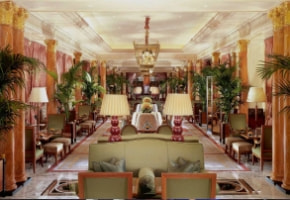
- Luxury-inspired lobbies: Rich materials such as marble, polished stone, velvet upholstery, and statement lighting fixtures convey refinement and grandeur upon guests' arrival.
- Boutique-style lobbies: Distinctive furniture, curated artwork, and unconventional layouts create a space with a strong personality that reflects the hotel's individual identity rather than a standardized design formula.


- Nature-inspired or biophilic lobbies: Indoor plants, natural materials, daylight, and views of outdoor landscapes introduce elements of nature, making the space feel calmer and more connected to the surrounding environment.
- Locally influenced lobbies: Design elements inspired by regional architecture, local crafts, or cultural references help the lobby reflect the destination's character and give guests an immediate sense of place.
- Social and multi-use lobbies: Flexible seating arrangements, shared tables, and integrated café or bar areas encourage guests to work, meet others, or relax in the space throughout the day.
Top Trends Shaping Hospitality Design in 2026
Hospitality design continues to evolve together with guest expectations. The following design directions are emerging as particularly influential in hospitality spaces in 2026.
Hyper-localization
Many hotels are moving away from standardized interiors and instead drawing inspiration directly from the location in which the property operates. This approach, often described as hyper-localization, uses materials, craftsmanship, and cultural references that are specific to the surrounding city or region.
A lobby in Lisbon might incorporate locally produced ceramics or stone typical of Portuguese architecture, while a property in Kyoto may feature traditional wood joinery and textile patterns associated with Japanese craft traditions. These elements help create a stronger sense of place for guests. Rather than feeling interchangeable with hotels in other destinations, the property reflects the character of its environment.
Hyper-local design also supports local economies by working with regional artisans, designers, and material suppliers. For guests, the result is an experience that feels authentic and rooted in the destination rather than detached from it.
Flexible sustainability
Sustainability remains a major priority for hospitality projects, though the approach has become more practical and design-focused. Hotels are increasingly selecting materials and furnishings that support environmental goals without sacrificing comfort or visual quality.
One aspect of this shift is the use of modular furniture systems. Seating arrangements, tables, and lounge elements can be reconfigured easily depending on how the space is used throughout the day. A lobby may function as a quiet workspace in the morning and transition into a social lounge in the evening without requiring major redesign. Modular systems extend the lifespan of furniture because individual components can be repaired or replaced rather than the entire piece being discarded.
Hotels are also incorporating materials that carry environmental certifications, such as responsibly sourced wood, recycled textiles, and low-impact flooring surfaces. These materials allow properties to reduce environmental impact while maintaining the refined appearance expected in hospitality environments.
Invisible technology
Technology continues to influence guest expectations, though many hotels now integrate it in ways that remain visually subtle. Designers increasingly focus on invisible technology, where digital features support the guest experience without dominating the physical space.
Wireless charging surfaces built into tables and sideboards let guests charge devices without visible cables. Self-service kiosks may be integrated into reception desks rather than placed as separate machines. Smart lighting systems adjust brightness gradually throughout the day to match natural light levels.
This approach allows hotels to provide modern functionality while preserving the interior environment's visual calm. Guests benefit from convenient technology, yet the design remains focused on materials, space, and atmosphere rather than screens or equipment.
Shape the Future of First Impressions
A hotel lobby works much like the opening chapter of a book. Within moments, guests begin forming expectations about what will follow. The atmosphere of the space, the clarity of its layout, and the care placed in every design decision signal how the rest of the stay will unfold.
Education plays an important role in developing that perspective. At SHMS, students in the Bachelor of Arts in International Hospitality Management explore hospitality from both an operational standpoint and through the lens of guest experience. The program combines management knowledge with practical exposure to how hotels function as complete ecosystems, where design decisions directly influence service and guest satisfaction.
This connection between hospitality and design has been strengthened through the integration of IHTTI School of Hotel Management, which became part of SHMS in 2021. IHTTI had long been known for its strong focus on hotel design and lifestyle hospitality. By bringing its courses and faculty into SHMS programs, the school expanded opportunities for students interested in the design side of hospitality while preserving the heritage of IHTTI's approach to hospitality interiors.
Whether designing a lobby, planning a hotel concept, or managing a property, professionals who understand both design and operations are better equipped to create environments that feel thoughtful and memorable.
As student Shalina Sukurdeep reflects:
No matter what generation you are - design is what you look for, both for the aesthetic and its functionality.
That idea captures the role design plays in hospitality today. When aesthetic vision meets operational understanding, the result is a space that welcomes guests, supports the experience of a stay, and leaves a lasting impression from the very first step inside the lobby.
Frequently Asked Questions
How to design a hotel lobby?
Effective hotel lobby design begins with understanding how guests move through the space and how different zones support that movement. Designers usually plan areas for reception, seating, circulation paths, and nearby amenities before selecting materials, lighting, and furniture that align with the hotel's brand and operational needs.
What are the common lobby design mistakes?
Common mistakes include unclear wayfinding, where guests struggle to locate reception or elevators, materials that cannot withstand heavy commercial use, and poor acoustic planning that allows noise to echo through the space. Each of these issues can be addressed during the design stage with careful layout planning, durable materials, and sound-absorbing elements.
How can a hotel lobby be more inviting and comfortable for guests?
Several design choices help make a lobby feel welcoming. An open entrance area gives arriving guests space to adjust after entering the hotel. Layered lighting creates a comfortable atmosphere at different times of the day. Varied seating arrangements allow individuals and groups to find appropriate places to sit. Soft materials such as upholstered furniture, rugs, and acoustic panels help control sound levels and improve comfort throughout the space.
Take the leap — discover your future in hospitality with Swiss Hotel Management School.