


- About
- Programs
- View all programs
- Swiss Professional Degree (ES)


- Bachelor of Arts in International Hospitality Management

- Master of Arts in International Hospitality Business Management
- Master of Arts in International Hospitality Business Management: Luxury Brand Management

- Master of Science in International Hospitality Management

- Master of Arts in Executive Hospitality Management (online)

- Master of Business Administration - MBA Global

- Postgraduate Diploma to Master of Advanced Studies in Business

- Postgraduate Diploma in International Hotel, Resort, and Spa Management
- Campus life
- Career Services
- Admissions
- News & Events
- Alumni












The Modern Mixologist: Beverage Innovation and Cocktails
Craft cocktails meet beverage innovation. Explore what defines the modern mixologist today — trends, techniques, and voices from MIXIP.


Key Takeaways
- A modern mixologist combines the craft cocktail tradition, quality ingredients, precise technique, and respect for the classics, with real beverage innovation such as functional ingredients, sustainable sourcing, and advanced technique.
- Six skills separate a modern mixologist from a bartender: palate judgment, technique mastery, ingredient knowledge, recipe development, menu design, and guest interaction.
- MIXIP, the cocktail competition hosted by the SHMS, brings together students from Swiss hospitality schools, including Les Roches and César Ritz Colleges, to compete in front of a jury of Swiss bar directors and mixologists.
- At the SHMS, mixology is taught inside the Bachelor of Arts in International Hospitality Management, under instructor Florent Sabatini, who founded the course.
The line between the kitchen and the bar has become much thinner. Restaurants, hotels, and cocktail bars now think about drinks with the same care they give to menus: ingredients, margins, seasonality, presentation, and the guest’s reason for ordering.
That has changed the role behind the bar. The modern mixologist is part drinks specialist, part hospitality professional, and part creative partner in the dining experience.
What Defines a Modern Mixologist Today

A modern mixologist is defined by fluency in two disciplines: the craft cocktail tradition, which demands ingredient quality, technique, and respect for the classics, and beverage innovation, which encompasses functional ingredients, sustainable sourcing, advanced techniques, and low- and no-alcohol design.
The role covers sourcing, menu design, technique execution, guest interaction, and program building, all balanced against the tension between tradition and innovation. Every mixologist is a bartender by skill, but not every bartender takes on the design, sourcing, and creative direction that define the modern mixologist role.
Florent Sabatini, who founded the mixology course at Swiss Hotel Management School (SHMS), ties this career back to the hospitality industry as a whole, saying: "Mixology at its core is hospitality."
Sabatini builds his course around one standard: learn the rules before breaking them. That standard grounds the rest of this article. Craft comes first. Innovation builds on top of it.
Craft Cocktails: The Foundation of Modern Mixology
Craft cocktails are the foundation of modern mixology because they teach the discipline behind the drink. Before a mixologist starts experimenting with unusual ingredients, advanced equipment, or low- and no-alcohol formats, they need to understand balance, technique, ingredients, and service.


Start Your Journey in the World of Hospitality
Turn your passion into a rewarding international career
Quality ingredients and provenance
A craft cocktail starts with ingredients that have been chosen with intent. Fresh citrus, well-made syrups, quality spirits, good bitters, and the right garnish all affect the drink before it reaches the guest.
This does not always mean using the most expensive product behind the bar. It means understanding flavor and provenance. A bar might make oleo-saccharum by mixing citrus peels with sugar to draw out the oils, use house-made orgeat instead of a flat commercial syrup, or choose a local vermouth because it fits the drink better than a better-known brand.
For the modern mixologist, sourcing is part of the craft. A cocktail made with fresh lime, a balanced syrup, and a carefully chosen spirit will taste different from one built with bottled sour mix and generic ingredients. Guests may not know every technical choice, but they can usually feel the difference in freshness, texture, and balance.
Precision technique and consistency
Technique is what turns good ingredients into a reliable drink. Shake time, stirring, dilution, ice, glassware, temperature, and measurement all change the final result.
A Daiquiri that is under-shaken can feel sharp and thin. A Martini that is over-diluted can lose its structure. An Old Fashioned made with too much sugar can hide the spirit instead of supporting it. These are small mistakes, but in cocktail work, small mistakes are visible.
This is why craft bars rely on precise measurement rather than guesswork. Jiggers, consistent ice, chilled glassware, controlled dilution, and clear service standards help the same drink taste the same across different shifts. Consistency is not the opposite of creativity. It is what allows creativity to hold up in a real bar program.
Reworking the classics without losing the structure
Classic cocktails matter because they teach structure. The Old Fashioned, Negroni, and Martini have lasted because their foundations are clear enough to be adapted without losing their identity.

The Old Fashioned reworked
The Old Fashioned is built around a simple structure: spirit, sugar, bitters, dilution, and aroma. It is spirit-forward, so any change to the base has a major effect.
A modern version might use bourbon, rye, rum, mezcal, Japanese whisky, or another regional spirit. The sweetener might change, too, from simple syrup to maple, honey, or a spiced syrup. Bitters and garnish can adjust the aroma without turning the drink into something else.
The goal is not to make the Old Fashioned complicated. It is to keep the drink recognizable while giving it a clear point of view.
The Negroni reworked
The Negroni is traditionally made with equal parts gin, sweet vermouth, and Campari. Its appeal comes from tension: bitter, sweet, herbal, and strong.
Because the structure is so clear, it gives mixologists room to adjust. A mezcal Negroni replaces gin with smoke and earth. A white Negroni uses gentian liqueur and blanc vermouth for a lighter, drier result. A split-base version might combine two vermouths or two spirits to create more depth.
The risk with a Negroni variation is imbalance. If one element becomes too dominant, the drink loses the clean geometry that makes the original work.
The Martini reworked
The Martini is one of the hardest drinks to hide behind. At its simplest, it is spirit and vermouth, served very cold, usually stirred, with garnish used as part of the drink rather than decoration.
Modern versions often focus on proportion and texture. A fifty-fifty Martini gives vermouth equal weight with the spirit. A wet Martini uses more vermouth for a softer profile. A Gibson changes the garnish to a pickled onion, shifting the drink's savory edge. Some bars use olive oil washing or carefully selected vermouths to adjust mouthfeel and aroma.
The Martini shows why technique matters. Temperature, dilution, glassware, and proportion can change the drink as much as the ingredients themselves.
Storytelling and the guest experience


Craft cocktails are no longer judged only by what is in the glass. They also sit inside a wider guest experience: the menu, the room, the service style, the occasion, and the story the bar wants to tell.
That does not mean every drink needs a long explanation. In many cases, the best storytelling is simple. A cocktail might use herbs from the hotel garden, reference a local ingredient, connect to a season, or reflect the identity of the restaurant. The story should help the guest understand the drink, not distract from it.
For the modern mixologist, this is where bar craft meets hospitality. A well-designed cocktail program gives guests choice, but not confusion. It offers creativity, but not at the expense of drinkability. It makes the bar feel connected to the restaurant, hotel, or destination around it.
Beverage Innovation Reshaping the Modern Bar
There are a few trends reshaping the modern bar. The shift is all about responding to how guests now order, what they value, and how closely the bar has moved toward the kitchen.
Functional and wellness-inspired cocktails
Modern mixologists are working with ingredients that guests already connect with wellbeing, such as botanicals, teas, spices, fermented ingredients, prebiotic infusions, and adaptogens. The point is not to turn a cocktail into a health product. The point is to create drinks that feel lighter, more intentional, and more connected to how guests want to feel.
A low-ABV drink might combine chamomile, citrus, and a delicate spirit base for a calmer evening serve. A zero-proof tonic might use ginger, herbs, and bright acidity to create the same sense of structure as a cocktail without relying on alcohol.
Low- and no-alcohol drinks as serious menu items
Low- and no-alcohol drinks are no longer treated as the safe option at the bottom of the menu. In strong bar programs, they are developed with the same care as alcoholic cocktails.
That means thinking about bitterness, acidity, texture, aroma, dilution, and finish. A non-alcoholic Negroni needs more than red color and a bitter note. A zero-proof spritz still needs lift, balance, and a proper finish. A low-ABV highball has to feel refreshing without tasting thin.

For the modern mixologist, the challenge is to make these drinks feel complete. Guests should not feel they are ordering the lesser version of something else.
Sustainability and hyper-local sourcing
Sustainability has changed how many bars think about ingredients. Instead of building every drink around imported products and single-use garnishes, modern mixologists are looking more closely at what is seasonal, local, and already available in the kitchen.
A bar might use local honey in its syrups, orchard fruit in a seasonal menu, or herbs from a nearby garden. Citrus peels can become oleo-saccharum. Fruit scraps can become infusions or shrubs. Leftover wine can be reduced into a syrup or used in a low-waste cocktail.
Umami and unexpected flavor profiles
Cocktails have often been built around sweetness, acidity, bitterness, and strength. Now, more bars are borrowing from the savory side of the kitchen.
Tomato water, mushroom, miso, seaweed, olive oil, toasted rice, herbs, vinegar, and brine can all bring depth to a drink when used carefully. These ingredients are not there to shock the guest. They create layers that make a cocktail feel more culinary.
A tomato-water Martini can keep the clarity of a Martini while adding a savory edge. A miso syrup can bring salt and depth to a sour. An olive oil-washed spirit can add texture and aroma without making the drink feel heavy.
Advanced techniques: fat washing, clarification, and precision tools
Advanced techniques have become more common behind the bar, but the best ones do not call attention to themselves. The guest should notice the texture, clarity, aroma, or balance before they think about the method.
Fat washing is used to infuse a spirit with flavor and texture from ingredients such as butter, olive oil, coconut oil, or sesame oil. Clarification can make a drink look clean and transparent while keeping a complex flavor. Controlled fermentation can add acidity and depth. Precision temperature control helps with consistency across service.
A milk-washed cocktail might feel silky and bright. A clarified Bloody Mary can keep the flavor of tomato, spice, and citrus while looking almost clear. A brown-butter bourbon can carry warmth and aroma without tasting greasy.
The technique matters only because it improves the drink. For a modern mixologist, the skill is knowing when the method adds something and when it is just performance.
Skills That Define a Modern Mixologist
The modern mixologist's skill set combines the fundamentals every craft bartender needs with the additional layer that beverage innovation demands:
- Palate and sensory judgment: The trained ability to taste for balance, dilution, temperature, and layered flavor, and to adjust in real time.
- Technique mastery: The fundamentals of shaking, stirring, dilution, ice work, and glassware discipline, executed consistently under pressure.
- Deep ingredient knowledge: Familiarity with spirits, botanicals, house-made components, and provenance, so the mixologist can source and substitute with intent.
- Recipe development and creative iteration: The ability to build a new drink from a concept and refine it through structured tasting sessions.
- Menu design and program leadership: The discipline of designing a full beverage program that holds together, tells a story, and earns its margins.
- Guest interaction and hospitality craft: The on-floor communication skill that turns a good drink into a memorable experience for the guest at the bar.
Inside MIXIP: Craft and Innovation on the Same Stage

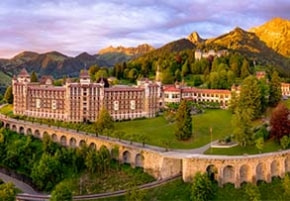
MIXIP 2026 brought six hospitality students to Caux Palace for a competition built around one central tension in modern mixology: knowing the classics well enough to take them somewhere new.
The four rounds tested a different part of that skill. Contestants first had to reinvent two cocktails from a randomly assigned category, covering long and refreshing drinks, shaken citrus cocktails, or stirred, spirit-forward classics. The second round moved away from recipes altogether, asking them to capture the character of an environment, such as the ocean, forest, city, or desert, in a drink.
Later challenges raised the pressure. In the Spirit Swap, competitors rebuilt a classic around an unfamiliar spirit base. The final Mystery Team Challenge asked pairs to identify the ingredients and technique behind an unknown cocktail, then reproduce it together. Across the day, technical control mattered, but so did adaptability, communication, and the ability to make a drink with a clear identity.
Voices from the jury

The jury reflected the range of skills the competition was designed to test. It included senior bar professionals, hospitality leaders, industry representatives, and a communications specialist, each bringing a different view of what makes a cocktail successful.
Christophe Pinto, Director of Bars at Mandarin Oriental Geneva, emphasized attention to detail, clear identity, and consistency. Bertrand Tessier, Director of Lausanne Cocktail Club and Terrasse Cocktail Club, focused on command of the classics, preparation, and confident technique.
Bryan Wolljung, Head of Bars at Fairmont Le Montreux Palace and Funky Claude's Bar, looked for organization, creativity, and hospitality. Romain Tritsch, a brand ambassador and president of the Swiss Romande branch of the Swiss Barkeeper Union, highlighted humility, knowledge, and professionalism.
Sara Dubler brought the guest-facing side of the experience into the judging, looking for strong storytelling, emotion, and a memorable presentation. Stéphane Detruche, Vice-President of the Leman Bar Community, emphasized consistency, purposeful creativity, and professional execution.
The contestants
Six students represented six Swiss hospitality and culinary schools:
- San Man Cheung, Glion Institute of Higher Education
- Prateek Reddy Anaka, Les Roches Crans-Montana
- Christopher Branson, EHL Hospitality Business School
- Sachu Li, Swiss Hotel Management School
- Jason Afonso, Culinary Arts Academy Switzerland
- Gabriela Petrova, César Ritz Colleges

They arrived with very different levels and types of experience. Some had already worked behind bars in Hong Kong, China, Singapore, Basel, or Lucerne. Others brought experience from events, hospitality internships, introductory training, or cocktail development.
That range made the competition more interesting. MIXIP was not simply measuring who could reproduce a memorized recipe fastest. It asked each contestant to apply what they knew to unfamiliar ingredients, changing briefs, creative constraints, and teamwork under pressure.
Their personal choices also hinted at those differences. One identified with an Old Fashioned, another with a New York Sour, while others chose a Zombie, Bramble, Dirty Martini, or Vodka Sour. The answers were lighthearted, but they reflected six distinct approaches to flavor, technique, and bar culture entering the same competition.
The winners
After four rounds, the jury assessed the contestants on technique, creativity, knowledge, storytelling, and professionalism.
San Man Cheung of Glion Institute of Higher Education took first place. Prateek Reddy Anaka of Les Roches Crans-Montana finished second, while the EHL Hospitality Business School representative placed third.
The winner's result also carried a wider story about preparation. In the post-competition account, San Man credited the support of his coach, Yoann Lazareth, who worked with him late into the evening to refine technique, strengthen his approach, and prepare him to perform under pressure.
That detail captures what MIXIP adds to hospitality education. The competition celebrates the finished drink, but the real work happens earlier: practicing until technique becomes consistent, learning how to respond when the brief changes, and finding the confidence to explain an idea in front of professionals.
MIXIP places craft and innovation on the same stage because modern mixology needs both. The classics provide the structure. Creativity gives the drink its identity. Hospitality determines how the whole experience reaches the guest.
Learn Modern Mixology at SHMS
Students at SHMS have the opportunity to learn mixology directly from Mr. Sabatini, drawing on his experience and expertise behind the bar. The session introduces the techniques, precision, and creativity involved in modern cocktail making while giving students practical experience in a professional learning environment.
Mixology also forms part of the Food & Beverage module in the SHMS bachelor's program. Students who want to explore the subject further can join the Master Club at SHMS Caux, where a limited number of participants take part in specialist sessions covering Mixology & Cocktails and other focused Food & Beverage topics.
Through experiences like these, SHMS gives students more ways to develop practical skills, learn from experienced professionals, and discover the areas of hospitality that interest them most.
Frequently Asked Questions
What's the difference between a mixologist and a bartender?
Every bartender who moves from serving standard drinks to designing menus, sourcing ingredients, and building the drink program crosses into mixologist territory, but the two titles overlap heavily in daily practice.
How much do mixologists earn?
In the United States, Glassdoor estimates that mixologists earn an average of about $80,400 per year, or $39 per hour. Reported pay for the highest-earning 10% reaches approximately $143,800, although salaries vary by location, experience, employer, and tips.
What is molecular mixology, and is it still relevant?
Molecular mixology applies techniques from molecular gastronomy, spherification, foams, gels, and controlled emulsions to cocktails. In 2026, the trend has moved from theatrical novelty to subtler applications where the guest tastes the result without noticing the process.
Do you need a certification to become a modern mixologist?
A certification is not required in most countries, but a hospitality degree with mixology coursework, such as the SHMS Bachelor of Arts in International Hospitality Management, provides both the technical foundation and the network that senior roles require.
Is MIXIP open to bartenders from any school?
MIXIP is hosted by the SHMS as a competition among students from partner hospitality schools, including Les Roches and César Ritz Colleges. Check MIXIP's Instagram for details on upcoming editions and eligibility.
Take the leap — discover your future in hospitality with Swiss Hotel Management School.